Retainer Models for Ongoing AI Brand Management
Agencies should charge for stewardship of AI-ready brand context, not production hours.
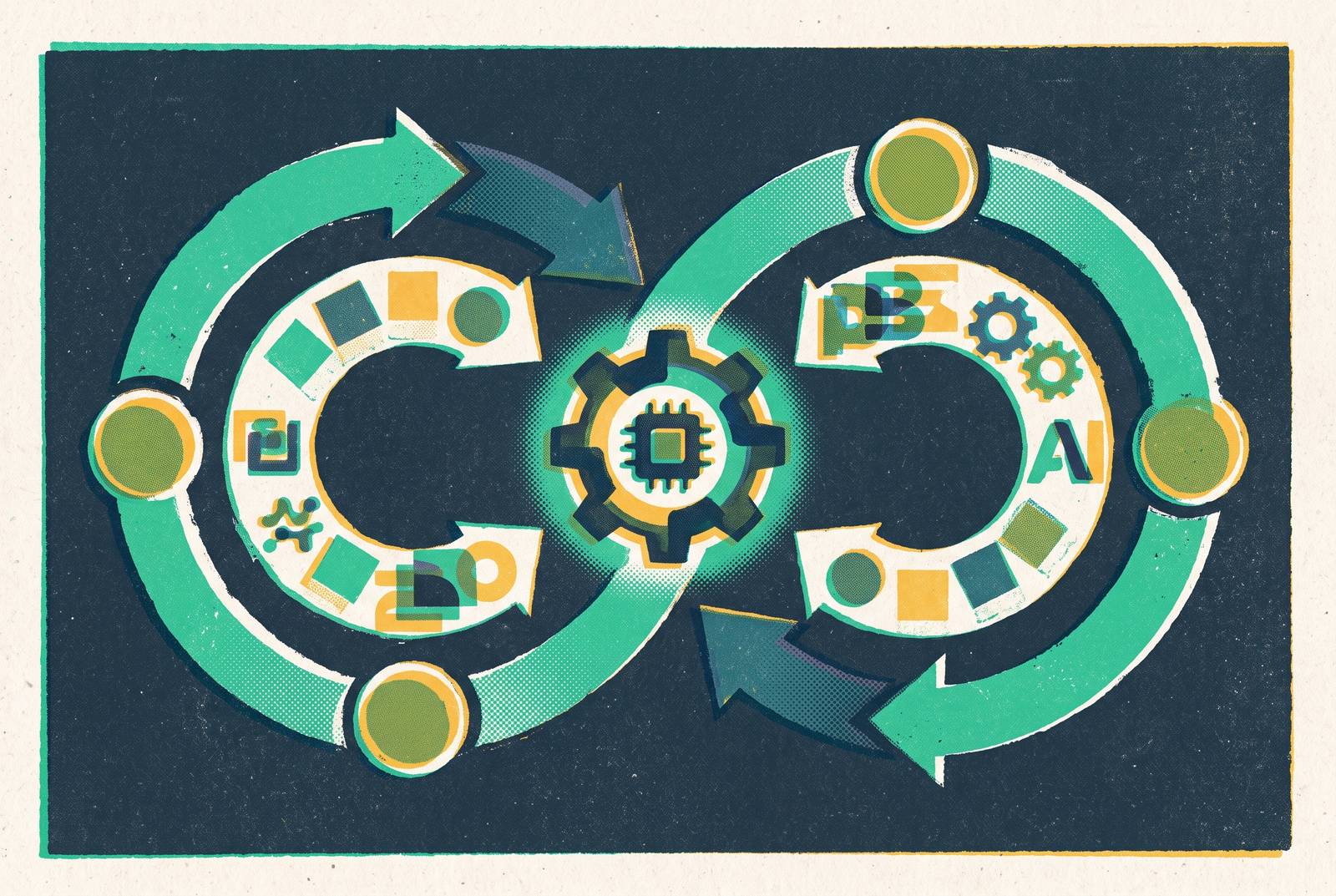
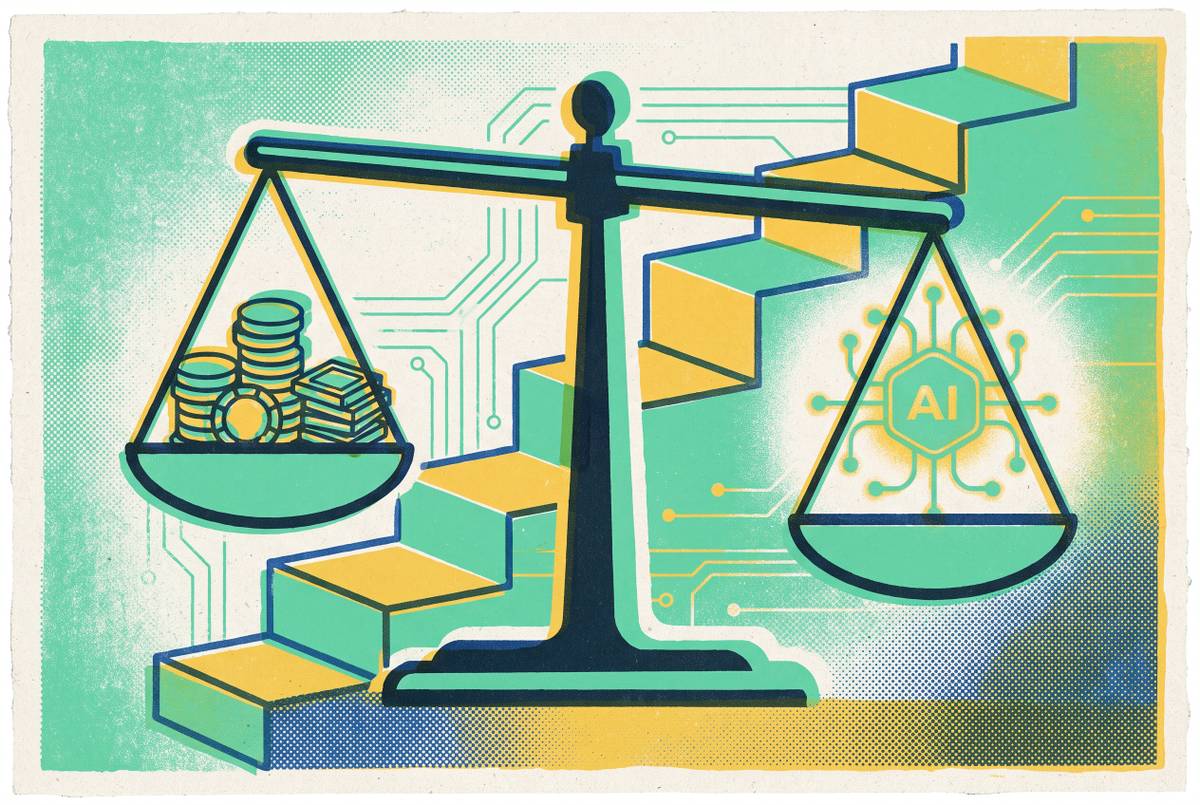
AI is changing what an ongoing brand management retainer should buy. As execution takes less time, hours and deliverable counts become less useful ways to show what an agency's work is worth. The sustainable model funds continuous stewardship of brand context, the structured identity, guidance, and rules that keep AI-generated work consistent across agents, tools, and campaigns.
Why the hour-based retainer is breaking down under AI
The hourly fee was always a proxy for effort, and AI has broken that proxy. Clients could once tie a recurring fee to the time it took to write copy, make variations, put pages together, and write reports. The work took time that the client was buying from the agency. That dependency is no longer a reliable pricing foundation. A competent in-house marketer using AI tools can now produce routine brand deliverables in a fraction of the time.
When the work takes less time, the same output no longer justifies paying for the same number of hours. A social campaign may still need sound judgment, but the time it takes to write its copy no longer shows how much judgment went into it. The client's question therefore shifts from how many hours the agency will spend to what it will produce. An agency that answers only with hours leaves the renewal tied to a resource AI has made less scarce.
Why deliverable-count retainers don't fix the problem
A retainer promising a volume of social copy still sells execution, even if the invoice no longer mentions time. AI makes that volume cheap to produce for client-side teams as well as agencies. More output is not a durable distinction. Increasing the promised count leaves the agency competing on production cost rather than on the quality of the brand decisions behind the work.
The stronger margin logic comes from shared agents running on shared brand context, so quality and consistency hold without added headcount. This changes the constraint. Production capacity is no longer the limiting resource when an agent can generate more variations on demand. Those variations are useful when the guidance it uses is high-quality and current.
What brand context actually is and why it degrades without stewardship
Brand context is the structured body of identity, guidance, and rules that AI agents can consume without ambiguity. It includes logos, color, type, imagery direction, voice, lexicon, and campaign history. These are not simply reference materials attached to a task. They define what counts as acceptable brand work. A 60-page PDF brand book is written for human interpretation, while an agent needs a machine-readable architecture it can ingest directly and act on reliably.
That architecture can be understood through three layers, which are identity, style, and narrative. The identity layer establishes the brand's defining elements, including its logo, color, and type. The style layer guides how the brand comes across through imagery, voice, and lexicon. The narrative layer holds the guidance and campaign history that place a task within the brand's broader story. Together, the layers give an agent more than a vague instruction to stay on brand.
An agent writing campaign copy needs the right voice and vocabulary for the task, while an agent making imagery needs the current visual direction. Both need guidance drawn from the same brand state, rather than separate interpretations of an old document. A usable context therefore connects the brand's rules to the work being requested.
However, a structured context is not a permanent solution. Campaigns change, voice shifts, product lines change, and the brand takes new visual directions. An agent can follow its instructions faithfully and still produce the wrong work if those instructions describe an earlier brand state. Without active stewardship, every agent drawing on that context can reproduce a version of the brand that is no longer current.
How MCP changes the shape of brand context delivery
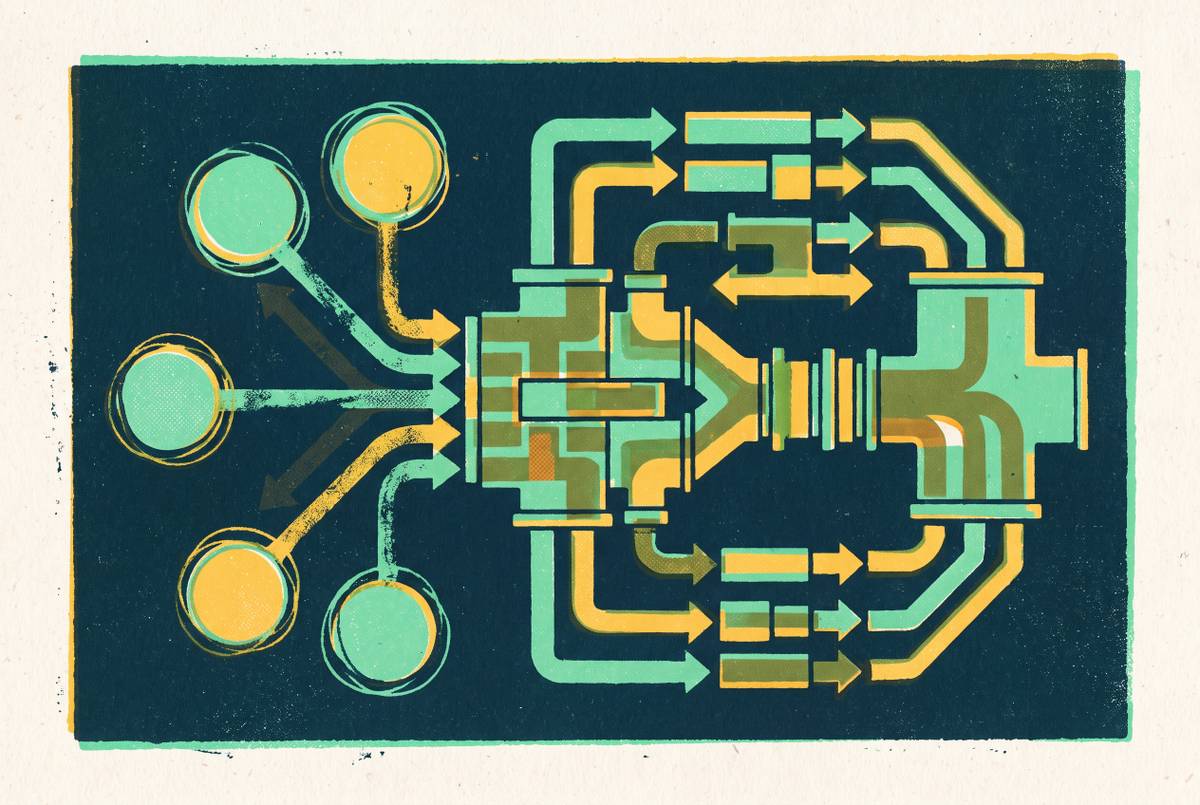
Anthropic open-sourced Model Context Protocol, or MCP, on November 25, 2024. The protocol gives agents a direct connection to brand context rather than leaving them dependent on training data or manual paste-in. Instead of guessing at brand voice from what it already knows, an assistant can reference the actual style guide. Approved assets can also become accessible through connected libraries.
By 2026, the MCP ecosystem covers Claude, ChatGPT, Cursor, and Visual Studio Code, with servers from tools including Notion, Google Drive, and Higgsfield. This gives an agency-maintained context reach across the agents a client's team uses. The connection is part of the service. Keeping guidance right and in one place only helps if the tools doing the work can reach it, and a working connection only helps if the guidance is up to date.
A concrete workflow shows why the two responsibilities belong together. Claude can call Higgsfield through MCP to generate images and video clips, keeping the prompt, brand context, and asset in the same thread. The MCP servers for Notion and Google Drive let Claude get the ICP doc, brand voice profile, and content calendar by name without having to copy them between tabs. Stewardship therefore includes maintaining both those materials and the connections that make them available.
Security remains a condition of that access. Stacklok's State of Model Context Protocol in Software 2026 identifies security concerns and requirements as the leading adoption obstacle for a clear majority of respondents. The report is based on a December 2025 survey of 300 senior technical leaders who work in software, financial services, and retail. Maintaining the connection layer safely is therefore part of the retainer's scope.
Why multi-agent and multi-brand environments make shared context a prerequisite, not a preference
Multiple agents make partial context a coordination problem. In a creative workflow, agents need the same locked facts about the script, characters, style, and shot breakdown. Otherwise, each can produce work that appears reasonable in isolation but contradicts the others. Parallel execution then breaks down.
Omnicom's multi-agent case makes this dependency concrete. A chief strategist agent sets goals for marketing, an audience intelligence agent creates audience segments, and targeting agents suggest content creators and social platforms. The targeting agents include an influencer agent and a social media analyst agent. Each agent is customized with brand-specific guidelines and matched to the right knowledge base.
L'Oréal demonstrates the same need across regional variation. Its CREAITECH lab uses Google's Imagen 3 and Gemini models to generate and localize creative assets. At that scale, consistent output requires structured brand context as the primary means of alignment. Agencies face this same challenge across the brands they manage. When each brand's guidance is siloed across tools and agents, an identity change has to be manually propagated through every place that uses it.
The governance principle is that agents generate and stage content, while humans approve it before publication. If agents and reviewers work from different or stale brand guidance, approval cannot function as a structured test of consistency.
What a brand context retainer actually covers and how to scope it
The practical implication is to scope the retainer around keeping brand context current, connected, and reviewable. These are ongoing responsibilities. The scope needs to identify the brand layers being maintained, the agents and tools receiving them, and the review work required before publication. That defines what the agency is responsible for. It also makes clear why generating a deliverable and maintaining the conditions for defensible output are different services.
Maintenance covers updates to the identity, style, and narrative layers as the brand evolves. The work includes adding changes in voice guidance, new visual direction, product changes, and changes in campaigns to the context that agents use. Changes also need versioning to keep every connected agent working from the current state. A defined brand update can be a scoped milestone, while keeping the resulting context current remains an ongoing responsibility.
Connection management covers the MCP connections or API integrations that surface brand context to the client's agents. It includes adding agents or tools as the stack grows and managing the security requirements attached to that access. Prompt-building and AI stack management also belong inside the retainer, including selecting, configuring, and maintaining tools that match the client's brand needs. Treating them as separate add-ons would split up work that shapes how agents use brand guidance.
Review and governance cover checks against the brand before outputs ship, with evidence for each check. This is more specific than an open-ended promise of quality control. Review checks the output against the stated brand rules, and people decide what goes live when they approve it. The context supplies the standard against which the work is judged. As a result, the agency's responsibility includes not only maintaining guidance but making its application reviewable.
A hybrid commercial structure fits these responsibilities. A base retainer covers ongoing access, monitoring, and stewardship, while productized milestones cover defined brand updates or new agent integrations. An outcome bonus can attach to agreed results, including measurable consistency or campaign performance. Shared agents using shared context can support consistent work without an equivalent increase in headcount, while scoped milestones keep specific changes distinct from the continuing service.
How to make the value of brand context stewardship legible to clients
The commercial difficulty is that clients can count outputs more easily than they can see maintained context. Much of stewardship's value appears as an absence of inconsistent copy, visual drift, voice mismatches, or stale assets reaching production. Prevention is difficult to show on an invoice. To make the service legible, the agency needs observable records of what changed, what guidance applied, and how the work was reviewed.
Versioned brand changes make maintenance visible as a managed artifact. A dated record can show what changed in the context and which agents and products now draw on the new version. The client can inspect the update itself. In a conversation about a changed visual direction or voice rule, that record connects the brand decision to the tools expected to use it.
Brief documentation makes the use of context visible at task level. Each AI task is grounded in a generated brief naming the applicable logo, type, color, imagery, and voice rules. The brief establishes which guidance applied to the work. Structured review evidence then records, check by check, how the output was measured against that guidance before publication. Together, the brief and review record turn subjective approval into an auditable process without replacing the human decision about what goes live.
For agencies managing multiple brands, the shared infrastructure is another visible distinction. Each brand has one maintained place, with versioned changes picked up by every connected agent. The retainer is not bought for what it makes each month, but for what it prevents and what it enables at scale.