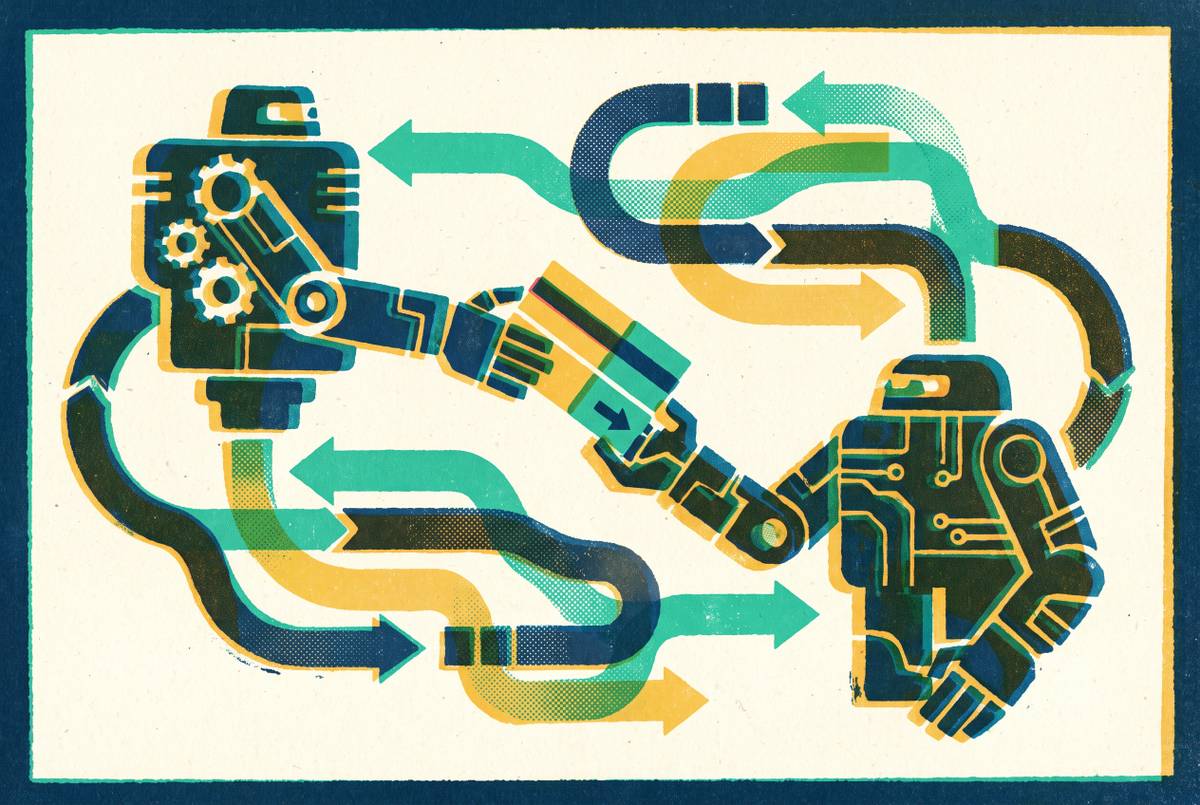
Onboarding a New Client Into an AI-Native Agency Stack
Structured brand data keeps AI agents consistent when handoffs move between teams and tools.
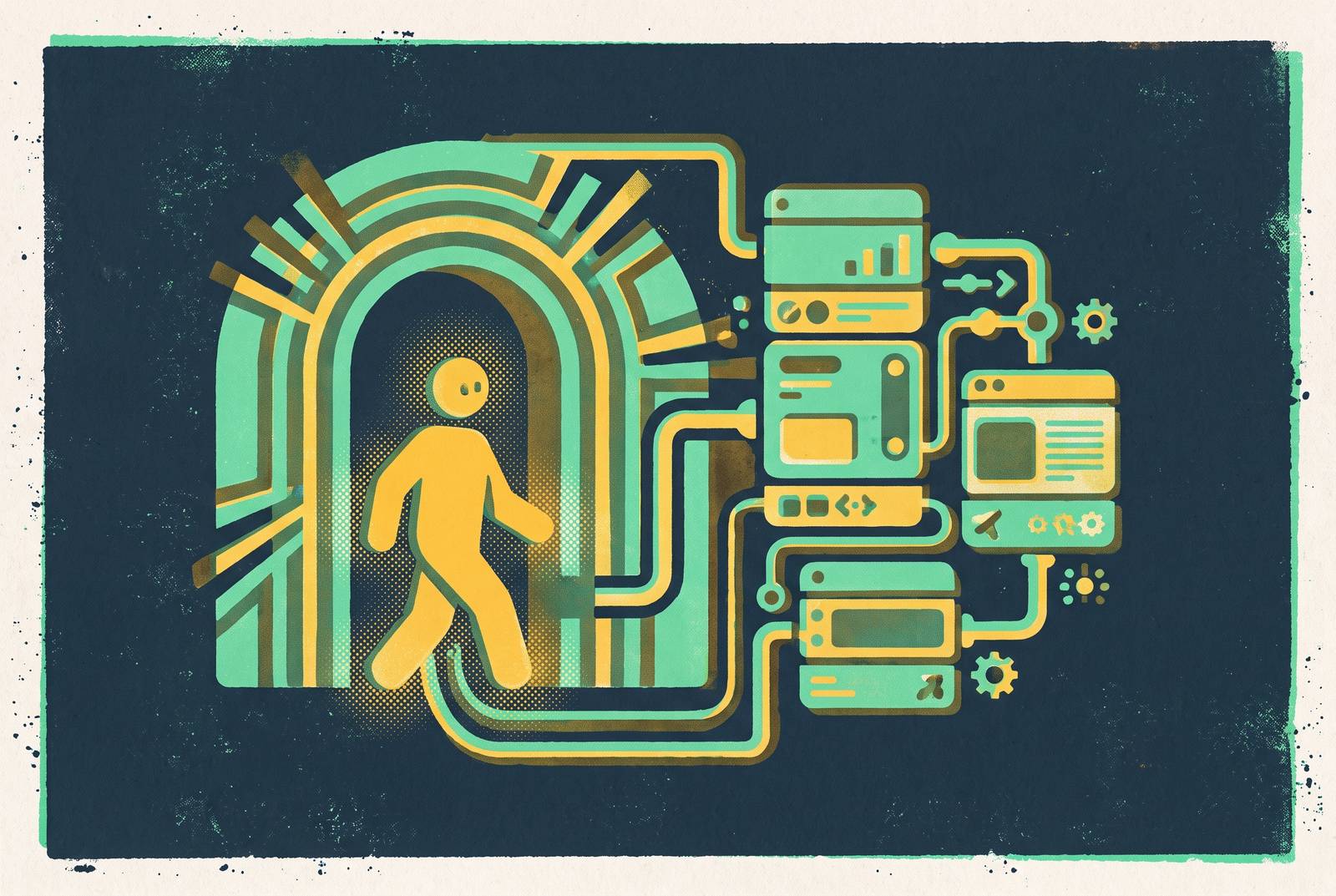
Onboarding a new client into an AI-native agency stack means establishing shared brand context as well as automating administrative handoffs. Brand consistency depends on every team, agent, and workflow retrieving the same current, client-specific rules before generating work. The onboarding process must therefore capture, validate, connect, and refine brand context as infrastructure rather than leave it in documents that someone must paste into each prompt.
Why do handoffs between agency teams and AI agents cause brand drift?
A campaign goes live in week two, and the copy sounds nothing like the client’s voice. The access requests were completed, the kickoff happened, and the workflow ran as designed. Yet the agents generating the campaign had no coherent picture of the brand. The administrative handoff succeeded while the brand handoff failed.
That failure begins when automation is applied to the wrong layer. Administrative tasks move cleanly between systems, but the next agent cannot use a brand guideline PDF as context without more work. Rules pasted into one prompt remain local to that session. Consequently, each new tool or team member reconstructs the brand from whatever material happens to be available. The resulting drift is a context problem before it is a copywriting problem.
What "brand context" actually means in a machine-readable sense
Brand context is a structured, versioned, retrievable representation of a brand’s voice, aesthetics, references, and asset constraints. A connected agent can query it before generating anything. Unlike a style guide written for people, this form of brand context uses defined tokens and API-accessible endpoints. Its purpose is to make brand rules available as data rather than ask each model to interpret a document afresh.
The distinction becomes concrete at the level of individual rules. A color becomes a HEX value, and instructions for tone have descriptors and clear negative constraints. Modular prompt prefixes put those rules into requests to generate work. This is more precise than asking a model to interpret “clean and tech-forward” through its training data. References and approved assets supply the specific examples that abstract descriptions cannot.
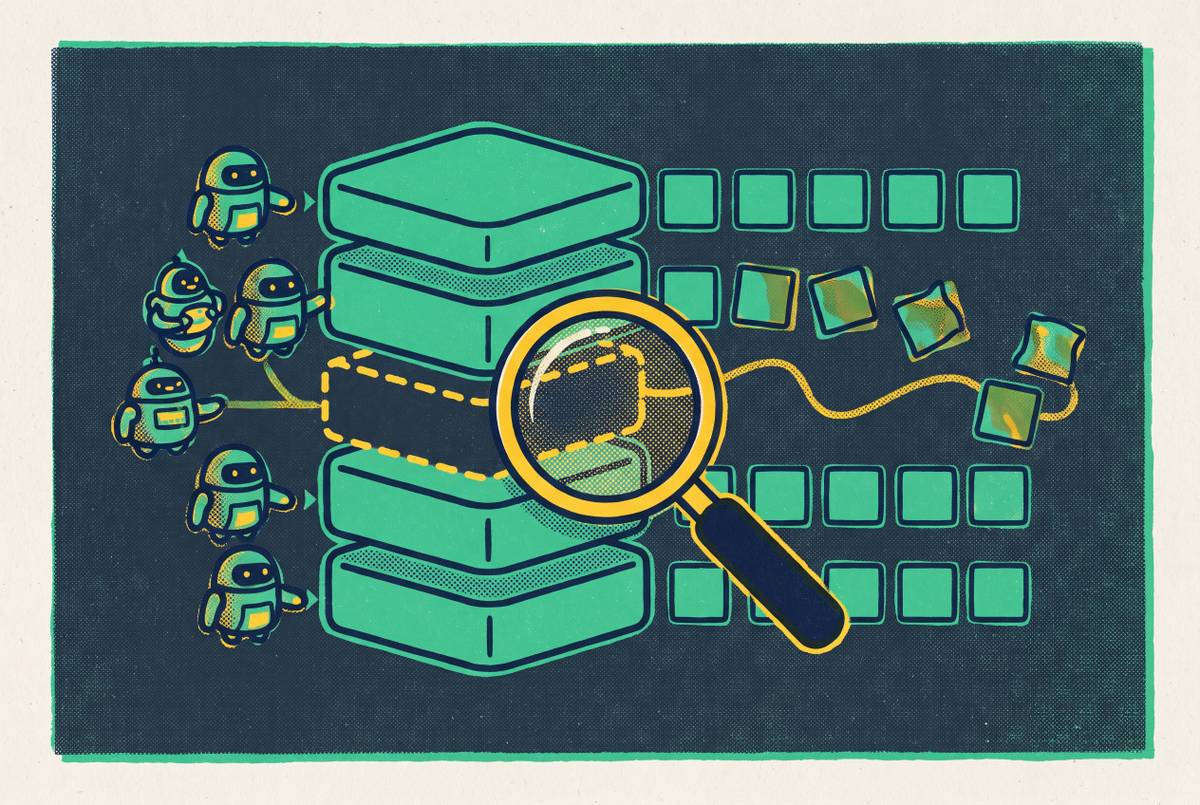
Rainbrand provides a named implementation through its Brand Skill, which exposes brand context for connected agents to retrieve. Rainbrand approaches the same problem by ingesting existing guidelines, files, design systems, and past campaigns into a versioned, retrievable Brand Skill. The architectural principle is that the agent remains replaceable while the brand layer remains durable. Preferred formatting, platform defaults, and tone rules belong in that shared layer.
Why MCP is the right interface for injecting brand context into an agency stack
MCP, the Model Context Protocol, gives agents an interface for querying actual brand data before generating work. In an agency workflow, that means checking a client’s style guide, consulting past campaigns, and retrieving approved assets. Each connected agent can get the client’s current brand state without someone piecing together an excerpt by hand.
This interface already reaches into marketing operations. Amazon Ads launched its MCP server in open beta on February 2, 2026, so campaign setup workflows can use live account data. That example shows how tools can get operational context, though a brand governance system needs more than this alone. For brand context specifically, platforms such as Rainbrand expose a queryable resource through MCP for tools including Claude, Cursor, and purpose-built marketing agents. With the shared layer, teams can change tools without having to re-paste guidelines.
MCP is not automatically the best interface for every workload. Scalekit’s benchmark found higher token cost and lower reliability for MCP than for CLI-based alternatives. With those costs and risks, pipelines that handle high volumes for a single publisher may favor CLI alternatives, especially for CI/CD automation. Agencies need to serve more than one client through per-user OAuth and multi-tenant isolation. MCP fits that requirement, provided the architecture preserves each client’s boundaries rather than treating connectivity alone as sufficient.
Phase one: capturing brand context before the kickoff call
Brand context should be set up in days zero through three, before creative work begins. The intake form supplies the initial business context, audience information, tools, success metrics, and communication preferences. Those responses are raw material for the operating context. When collecting them, teams must keep facts about the engagement separate from rules for what agents produce.
Teams still need to ask for GA4, Search Console, CMS, and ad account access. However, the brand request has a separate purpose and must cover existing guidelines, HEX/RGB color values, approved font files, and tone-of-voice examples. It also needs reference campaigns the client liked and disliked, together with negative constraints. Approved examples show what the client wants, while disliked examples help show where the limits are. Neither can be replaced by a general request to upload brand assets.
The intake’s brand section should map directly to the structured data model expected by Rainbrand or a similar brand infrastructure layer. That means collecting color HEX values, tone descriptors with negative constraints, asset naming conventions, and platform rules. Each brand rule can then become a machine-readable token and be versioned without manual translation. Modular prompt prefixes should front-load the relevant rules into generation requests. Explicit constraints such as “never use stock-photo aesthetics” and “avoid corporate jargon” should be loaded before any agent runs.
Before the kickoff, a gap-detection prompt should review the intake for missing, vague, or contradictory fields. A description that cannot support a concrete decision is still a gap, even if the field is technically complete. The review should turn each gap into a specific follow-up question. This makes the call a place to resolve ambiguity rather than discover that the basic inputs are absent.
Phase two: the kickoff call as a brand context audit, not just a scope meeting
The kickoff’s most durable output is validated, human-confirmed brand context. Scope still matters, but the scope agreement cannot tell an agent how to handle a tone edge case. The AI-drafted agenda should set aside time for a brand context audit. During that block, the client reviews the structured tokens already loaded and confirms or corrects them. References, anti-references, and qualitative distinctions enrich the rules where the form could not.
The audit must establish what “on-brand” looks like through a concrete example the client can name. It must also establish what a previous agency produced that felt off-brand, and why. It must also name who at the client has the final say on brand decisions. These answers connect the rules to examples and an accountable human decision. The client then ratifies the context layer before it goes live, rather than encountering its assumptions only through finished output.
The conversation itself should not be automated. AI can draft the agenda, brief, and post-call recap, but the actual exchange is where brand nuance and relationship trust develop. Right after the call, an AI-drafted recap from the recording should guide fixes to the context layer. A versioned snapshot then records the validated state, treating brand context like code with the equivalent of a git commit. That snapshot becomes the basis for downstream work and later revisions.
Phase three: wiring the brand context layer into every tool in the stack
Validated context becomes infrastructure only when it sits upstream of generation. Storing it in a knowledge base is insufficient if agents consult that source only occasionally. Every workflow that touches the account should get the client context it needs before producing work. The architecture is therefore context first and agents second. Human review remains necessary, but it no longer serves as the first point at which brand rules enter the process.
A concrete stack might use Zapier, Make, or n8n for orchestration and the Claude API for drafting and personalization. Notion, Google Drive, or a dedicated platform can provide the brand knowledge source. With Notion and Google Drive MCP servers, Claude can look up the client’s ICP document, brand voice profile, and content calendar by name. Rainbrand’s Brand Skill makes the dedicated context-layer role explicit by exposing versioned context through MCP to connected tools including Claude, Cursor, and ChatGPT. The important comparison is not which orchestration tool wins, but whether every generator queries the canonical source.
For an agency with more than one client, that source must have native brand isolation built in. Each client’s context must be independently queryable, and the system should flag another client’s palette or messaging tone appearing in an output. Visual generation needs the same care, with brand prefixes, a library of reference images grouped by client, and a quality checklist. That checklist covers HEX codes, font styles, tone words, and approved visual references. All of these inputs should come directly from the context layer.
Phase four: the first two weeks as a brand context stress test
The first two weeks should function as an intentional diagnostic period. Every output that requires human correction signals that the brand context may be incomplete or incorrectly structured. Whether the asset can be fixed and whether its governing context needs correction both require consideration.
A legitimate objection is that live client work is too consequential to use as a test of unproven brand rules. Shadow mode resolves that objection by making the diagnostic phase deliberate. The purpose is not to hope that the setup works, but to expose gaps while human judgment still controls release.
Every correction during this period should trigger an update to the brand context, with a versioned commit recording what changed, why, and when. That update makes the lesson available to downstream tools instead of leaving it inside one reviewer’s comments. As the mechanical rules become better structured, review time per asset drops because the agent has already handled color, font, and tone requirements. Human attention can then concentrate on judgment calls.
How brand context compounds across a client engagement and across a client roster
Within an engagement, versioned context accumulates the decisions made through real work. A new campaign direction, a brand refresh, or a changed approval authority becomes an update to the shared source. Connected agents and tools inherit that update rather than waiting for someone to re-brief them individually. The value is continuity across changes in both the brand and the tools serving it. Onboarding establishes the initial state, while subsequent work makes that state more accurate.
Across a roster, onboarding infrastructure is reusable while each client’s brand content remains private. Onboarding a tenth client is faster than onboarding the first because the intake structure, context checklist, kickoff agenda, and compliance workflow have already been tested and refined. Only the brand-specific content changes. For an agency scaling beyond five clients, this is the case for centralized brand context.
That benefit depends on keeping each client’s context separate and up to date. An agency-grade system must allow a client profile to be added or removed without re-authenticating or disrupting other accounts, and it must flag cross-brand contamination. Those are selection criteria from the outset. Agencies that build this foundation gain a lasting edge over those that re-paste guidelines into every prompt: each engagement improves the context and each onboarding improves the process, while the others keep repeating the same work.